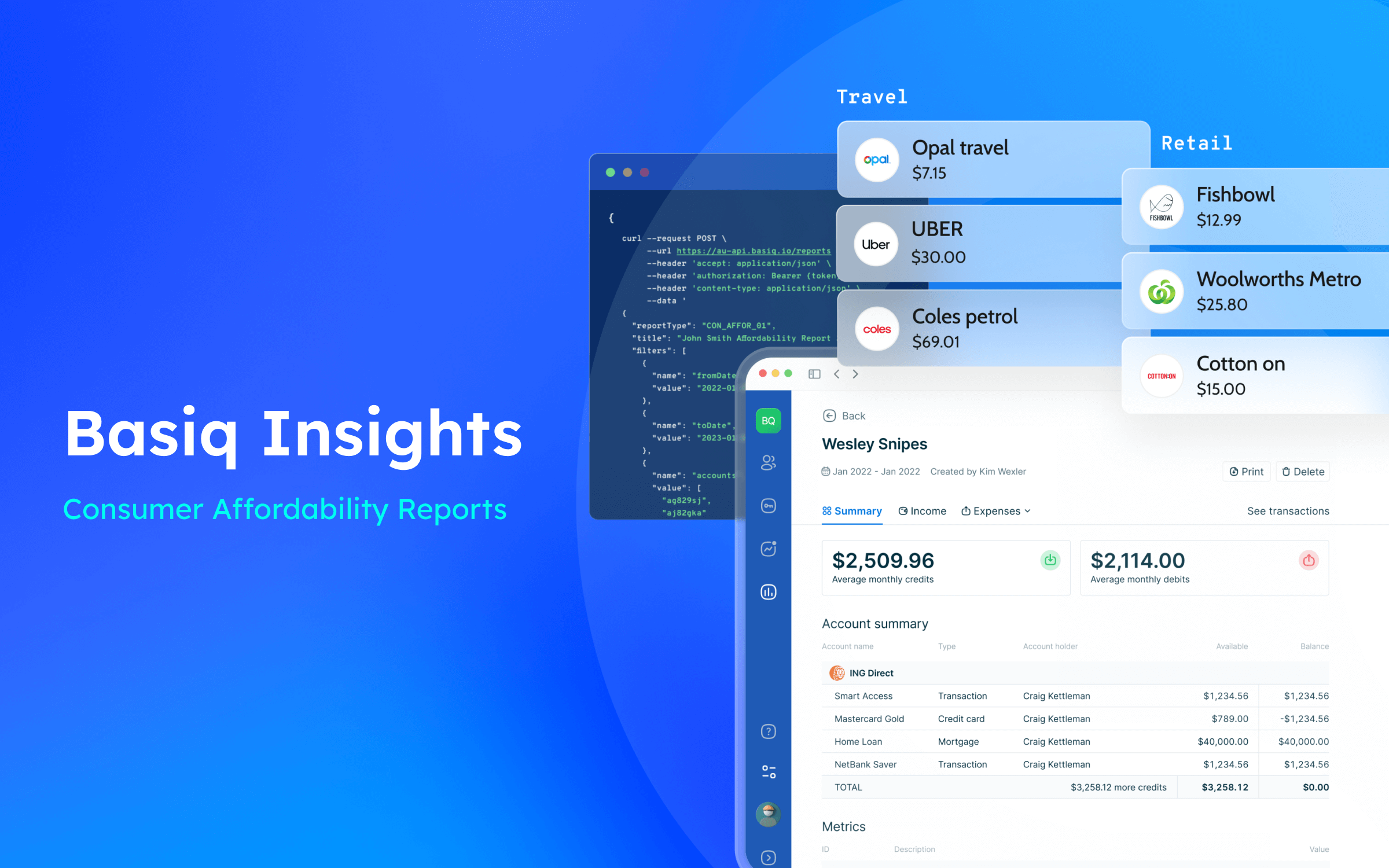
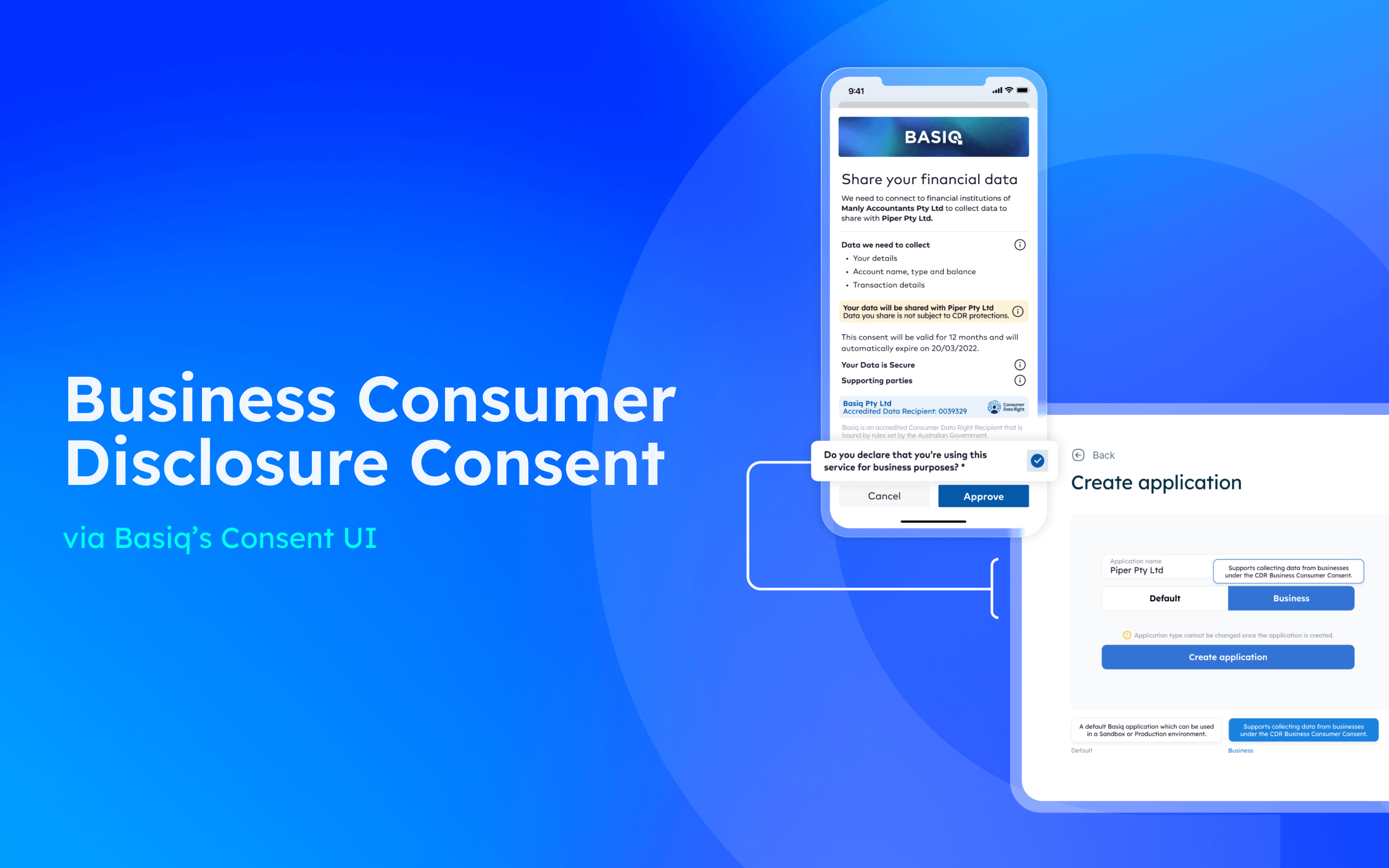
Building Consistency at Scale
Brand Transformation & Website Redesign for Basiq
In early 2023, I joined Australian fintech company Basiq with an initial remit to redesign and rebuild the company's website. What quickly became apparent, however, was that the website was only one piece of a much larger challenge.
Having never employed a permanent designer, Basiq's brand had evolved through the hands of multiple freelance creatives over several years. The result was a fragmented visual identity with no clear direction, inconsistent execution and no central design system or guidelines to unify the brand.
The opportunity was not simply to redesign a website—it was to build the foundations of a scalable brand.
The Challenge
Basiq operates in the Open Finance space, providing APIs that enable fintechs and banks to build innovative financial products powered by consented financial data and payments.
At its core, the company's mission is simple:
Making Finance Easy.
However, the brand experience didn't yet reflect this vision.
The business faced several challenges:
- No centralised brand guidelines or visual system.
- Inconsistent collateral across marketing and product channels.
- Multiple teams requiring new creative assets simultaneously.
- An extensive amount of legacy material already in market.
- A website rebuild comprising more than 60 pages.
The reality was that achieving complete brand consistency across the business would take time. Existing collateral would naturally take six to twelve months to be replaced and propagated through every touchpoint.
The immediate challenge was different:
How do you create a new brand system while continuing to deliver new work every week?
The Solution: Atomic Design
To solve this problem, I adopted the methodology of Atomic Design.
Rather than beginning with lengthy brand guidelines and finished examples, I focused on building the smallest functional components first—the visual "atoms" that would become the building blocks of the entire brand.
This approach allowed me to create:
- A flexible and scalable design toolkit.
- Reusable components for digital and marketing collateral.
- Consistent visual patterns across channels.
- A foundation that could evolve alongside the business.
The methodology proved particularly valuable because new requests were arriving constantly—from animations and landing pages to social content, presentations and product communications.
Instead of designing from scratch every time, teams could work from a growing and increasingly sophisticated system.
Rebuilding the Digital Experience
The new website became the most significant application of the design system.
By the time the project was completed, the website consisted of more than 60 pages, each built using the same component-driven principles.
Creating the UI system first meant:
- Faster page creation and iteration.
- Greater consistency across the user experience.
- Reduced maintenance and design debt.
- Easier scalability as the business continued to grow.
The component library became the foundation not only for the website but also for the broader evolution of the Basiq brand.
Creating a Brand for Growth
Beyond the website, the project established a more unified and recognisable visual language for the company.
The work helped to:
- Introduce consistency across all customer touchpoints.
- Create systems that could scale with the business.
- Enable faster production of marketing and product assets.
- Better communicate Basiq's mission of making finance easier and more accessible.
Most importantly, it transformed the brand from a collection of disconnected assets into a cohesive system designed for long-term growth.
Services
- Brand Strategy
- Brand Identity Development
- Design Systems
- Atomic Design Methodology
- UI/UX Design
- Website Design
- Art Direction
- Motion & Marketing Design
Client
Basiq
Result
A scalable, component-driven brand system and complete website redesign that established consistency across the business, accelerated content production and created a strong foundation for Basiq's continued growth in the fintech sector.